AI Color Analysis
Find your color season from a selfie.
Drag & drop a photo here
Front-facing · eye level · neutral face · good light
Uploaded only when you tap Analyze · deleted within 24 hours
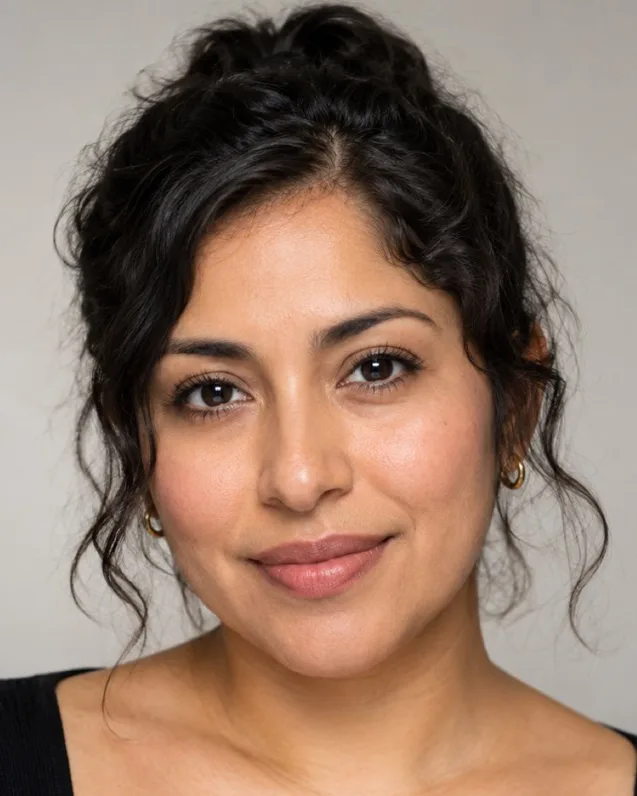
AI-generated sample face · real measurements
Sample result
7.0 / 10
Attractive
- Eyes98
- Symmetry80
- Golden Ratio97
- Jawline92
- Facial Thirds82
For adults 18+, for entertainment and self-improvement. Scores reflect geometry in one photo, not your worth. Terms
How it works
- 1Upload a photoUse a clear, front-facing photo in natural light. Adults 18+ only.
- 2AI analyzes itYour photo is sent to our server for this one analysis and deleted afterwards.
- 3Get your personal color analysis resultSee the summary free; the detailed breakdown is a one-time credit cost.
Color analysis matches your skin undertone, hair and eye color and contrast to one of 12 seasonal palettes. Upload a selfie in daylight without filters and the AI gives your season, a runner-up and your undertone; the detailed result adds 10 colors to wear, 5 to avoid and makeup shades.
What is color analysis?
Color analysis (also called seasonal or personal color analysis) matches your natural colouring — skin undertone, hair and eye colour, and the contrast between them — to the group of colours that make you look healthiest. Those groups are named after the four seasons, and each season is split into three, giving 12 seasons.
The idea is practical: colours that suit you make skin look clearer and even, while colours that clash can make you look tired or washed out. Knowing your season makes shopping, makeup and hair colour decisions faster.
The 12 color seasons explained
Every season is a mix of four traits: undertone (warm or cool), value (light or deep), chroma (clear and bright, or soft and muted) and contrast between your hair, skin and eyes.
- Light Spring: light, warm-leaning and clear. True Spring: warm and bright. Bright Spring: clear and vivid with a touch of warmth.
- Light Summer: light, cool and soft. True Summer: cool and gently muted. Soft Summer: muted and cool-neutral.
- Soft Autumn: muted and warm-neutral. True Autumn: warm, rich and earthy. Deep Autumn: deep and warm.
- Deep Winter: deep and cool with high contrast. True Winter: cool and crisp. Bright Winter: vivid, cool-leaning and high contrast.
Neighbouring seasons share a lot, which is why the result also names a runner-up season. If you sit between Soft Autumn and True Autumn, colours from the overlap of the two palettes are your safest choice.
How does AI color analysis work?
You upload one selfie, tap Analyze, and an AI vision model reads your skin tone, hair colour and eye colour, then places you in the 12-season system. The result gives:
- Your color season, plus a runner-up season and how confident the read is. If lighting or a filter makes it uncertain, the result says so.
- Your undertone, value, contrast and chroma (the four traits that decide the season), along with skin tone, hair colour, eye colour and the metals that suit you.
- In the full details: 10 colours to wear and 5 to avoid near your face, each with a plain name and a hex code, plus sections on why this season fits, hair colour ideas and makeup or grooming shades.
Like a human colour analyst, the AI is judging how colours look in the photo. The quality of the light in that photo matters more than anything else.
Color analysis quiz vs AI vs in-person draping
A color analysis quiz asks you to describe yourself; an AI color analysis looks at a photo; in-person draping holds fabric next to your face. Each has trade-offs.
- Quiz: free and quick, but it depends on how you judge your own undertone, which is hard to do. Many people guess wrong about whether they are warm or cool.
- AI from a photo: looks at your actual colouring and explains each trait. It is only as good as the photo: indoor light, white-balance shifts and filters can push the result one season over.
- In-person draping: an analyst compares many fabric drapes under controlled light. It is the most thorough, and it costs the most.
A good approach is to start with the AI result, then test the suggested colours in a mirror in daylight. If the wear colours clearly brighten your face, you have your season.
How to find your undertone
Your undertone is the colour beneath the surface of your skin: warm (golden, peachy), cool (pink, rosy, bluish) or neutral (a mix). Surface skin tone can be light, medium or deep with any undertone.
Simple home checks give a rough idea:
- Veins on the inner wrist looking mostly green suggests warm; mostly blue or purple suggests cool; hard to tell suggests neutral.
- Jewellery: if gold flatters you more, you may be warm; if silver does, you may be cool.
- White paper held next to your bare face in daylight: skin looking yellow or golden next to it leans warm, pink or rosy leans cool.
These checks are not exact and often disagree with each other. The AI result names your undertone and gives a note on what in the photo pointed to it.
How to take a photo for color analysis
- Stand facing a window in daylight. Avoid direct sun, warm indoor bulbs and coloured lighting.
- No makeup, or as little as possible. Foundation and bronzer change how your skin reads.
- Turn off filters and beauty mode, and do not edit the photo.
- Wear a white or neutral top, or keep bright clothing out of the frame; strong colours reflect onto skin.
- Show your natural hair colour if you can. If your hair is dyed, the result will reflect the dyed colour, so keep that in mind when reading the result.
Running the same photo through the tool again shows the stored result rather than a fresh guess. To compare, take a new photo in better light.
What colors look good on me? Using your result
The colours that look good on you are the ones that share your season's traits: warmth or coolness, depth and clarity. Use your palette where it matters most: near your face.
- Clothes: tops, scarves and collars matter most; trousers and shoes matter less.
- Hair colour: staying within your undertone usually looks most natural. The details include hair colour ideas for your season. To pair a new colour with the right cut, try the hairstyle finder.
- Makeup and grooming: lipstick, blush and brow shades that follow your undertone; for men, frame and accessory colours.
- Metals: gold, silver, rose gold or a mix, depending on your undertone.
If your skin looks uneven in photos regardless of colour, the AI skin analysis covers texture, tone and redness.
Is this color analysis free?
Yes. Your color season, runner-up, summary and half of the trait measures are free. The full details — the remaining measures, your 10 wear and 5 avoid colours with hex codes, and the hair and makeup sections — cost 20 credits, one time. Credits never expire and there is no subscription. Free analyses are limited per device per day.
Your photo is uploaded only after you tap Analyze, read by an AI vision model for this analysis, deleted within 24 hours and never used for training. The tool is for adults 18 and over.
Frequently asked questions
What color season am I?
Upload a selfie in daylight and the AI places you in one of 12 seasons — Light, True or Bright Spring; Light, True or Soft Summer; Soft, True or Deep Autumn; Deep, True or Bright Winter — with a runner-up season and how confident the read is.
How does AI color analysis work?
An AI vision model reads your skin tone, hair colour and eye colour in the photo and judges four traits — undertone, value, contrast and chroma — that decide your season. It is a visual read of one photo, so good daylight and no filter matter most.
Is AI color analysis accurate?
It can be a good starting point, but it depends on the photo. Warm indoor light, white-balance shifts, makeup and filters can push the result one season over, which is why it names a runner-up and flags uncertain lighting. Test the suggested colours in a mirror in daylight to confirm.
How do I know if I am warm or cool toned?
Warm undertones look golden or peachy; cool undertones look pink, rosy or bluish; neutral is a mix. Home checks like vein colour, gold vs silver jewellery and white paper next to your face give a rough idea. The result names your undertone and says what in the photo pointed to it.
What colors look good on me?
Colours that share your season's warmth, depth and clarity, worn near your face. The full details give 10 colours to wear and 5 to avoid, each with a name and hex code, plus hair colour ideas and makeup or grooming shades.
Is this color analysis free?
Yes. Your season, runner-up, summary and half of the trait measures are free. The palette with hex codes and the detailed sections cost 20 credits, one time — no subscription, and credits never expire.
Can I do color analysis with dyed hair or makeup on?
You can, but the result will reflect what is in the photo. Bare skin and your natural hair colour give the most reliable read; if your hair is dyed, keep that in mind when reading your season.
Will I get a different result if I run the same photo again?
No. If you run the same photo through the same tool again, you see the stored result rather than a new guess, so it cannot be re-rolled. A different photo gets a fresh analysis, and lighting, angle and expression can change the result.
Do you upload or store my photo?
Only when you tap Analyze. This tool needs AI vision, so your photo is uploaded and read by an AI model for this one analysis, deleted within 24 hours and never used for training. The measurement tools on this site, such as the face shape detector, run in your browser and do not upload your photo.