Facial Dimorphism Test
Where does your face sit on the feminine–masculine scale?
Drag & drop a photo here
Front-facing · eye level · neutral face · good light
Measured in your browser — your photo never leaves your device
Same photo, same score — measured, not guessed.
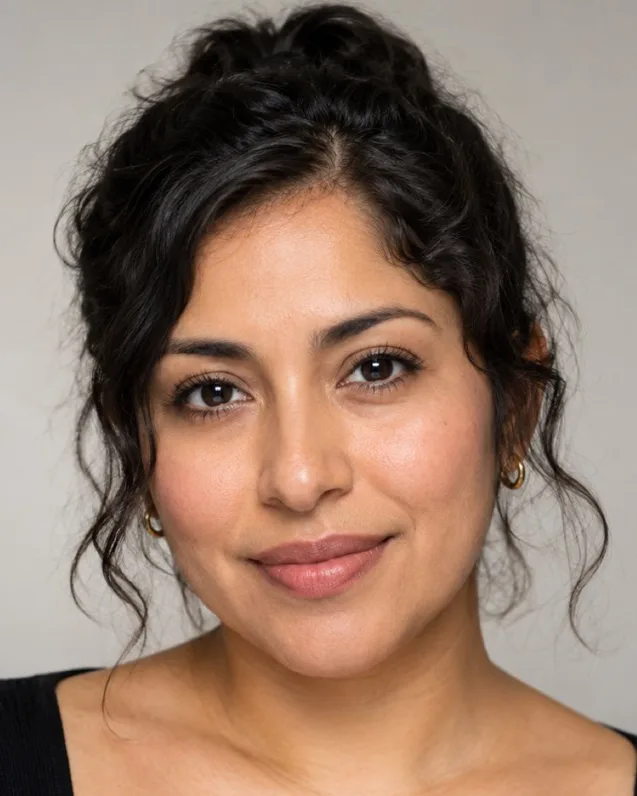
AI-generated sample face · real measurements
Sample result
/ 100 on the feminine → masculine scale
27
Feminine features- Jaw ÷ cheekbone width0.79
- FWHR1.54
- Brow-to-eye distance0.65
For adults 18+, for entertainment and self-improvement. Scores reflect geometry in one photo, not your worth. Terms
How it works
- 1Upload a photoA straight-on photo at eye level, neutral face, good light. Or take a selfie.
- 2We measure in your browser478 landmarks are mapped on your device and small head turns are corrected. The photo is never uploaded.
- 3Get your facial dimorphism resultSee the numbers with the lines drawn on your photo. Same photo, same result, every time.
Facial dimorphism describes how typically masculine or feminine a face is. This test measures bone-structure cues — jaw to cheek width, FWHR, brow-to-eye distance, eye shape and chin width — and places your face on a 0–100 feminine-to-masculine scale.
What is facial dimorphism?
Sexual dimorphism is the set of differences between male and female bodies. In faces, it shows mostly in the bones: men tend to have wider jaws and chins, a higher facial width-to-height ratio, heavier brow ridges with lower-set brows and narrower-looking eyes; women tend to have narrower jaws and chins, higher brows, larger-looking eyes and fuller lips. Every face sits somewhere on that spectrum.
How the dimorphism test works
The test measures five bone-structure cues from your photo — jaw width against cheekbones, FWHR, brow-to-eye distance, eye height against width and chin width — and places your face on a 0–100 scale from feminine to masculine. Above 65 reads as masculine features, below 35 as feminine features, and the middle as balanced or androgynous. It does not use hair, makeup or skin, which is why it can disagree with how people first read you.
Is a more masculine or feminine face more attractive?
On average, raters prefer women's faces that read as feminine. For men's faces the picture is mixed: some studies find a preference for masculine features, others for slightly feminised ones, and preferences shift with context. In the attractiveness test, dimorphism is weighted at 8% and scored toward the typical end for the gender you choose — enough to matter, not enough to dominate.
See how dimorphism fits with the rest of your face in the attractiveness test, or the facial ratios calculator for FWHR and jaw width on their own.
Masculine vs feminine facial features
| Feature | Reads more masculine | Reads more feminine |
|---|---|---|
| Jaw | Wide, close to cheekbone width | Narrower than the cheekbones |
| Chin | Broad | Narrow, pointed |
| FWHR | Higher (wider face) | Lower |
| Brows | Low, close to the eyes | Higher, more arched |
| Eyes | Narrower-looking opening | Larger, rounder-looking |
| Lips | Thinner | Fuller |
The test uses the first five; lips are shown in the breakdown but not in the index.
Frequently asked questions
What does a dimorphism score of 50 mean?
The middle of the 0–100 scale means your bone-structure cues sit between typical feminine and typical masculine values — balanced or androgynous. Above 65 reads as masculine, below 35 as feminine.
Why did I get a masculine score as a woman (or feminine as a man)?
The test only uses bone structure — jaw, chin, FWHR, brows and eye shape — not hair, makeup or skin. Many attractive people have features from the other end of the scale; the result describes your proportions, not your gender.
Do you upload or store my photo?
No. Scoring and measurement run entirely in your browser: the face model downloads to your device and your photo never leaves it. Only the AI Analysis tools (such as age or color analysis) send a photo to our server, and they say so before you upload.